
How Does Solar Work During Winter?

As the colder months roll in, many homeowners start to wonder whether their solar system will still perform effectively. Shorter days, cloud cover, and cooler temperatures often raise concerns about reduced energy output. The good news is that solar panels continue to work in winter—and in some ways, they can even perform better than expected.
Solar Panels Still Generate Power in Winter
Solar panels generate electricity from daylight, not heat. Even on cold or cloudy days, sunlight still reaches your panels and allows them to produce energy. While output may be lower compared to long summer days, your system doesn’t stop working.
For example, a typical system might produce around 20–40% less energy in winter due to shorter daylight hours—but it still contributes significantly to reducing your electricity costs.
Cold Weather Can Improve Efficiency
Interestingly, solar panels actually operate more efficiently in cooler temperatures. Excessive heat can reduce panel performance, so winter’s cooler conditions can help offset some of the loss caused by reduced sunlight hours.
In simple terms:
• Summer = longer days but slightly reduced efficiency due to heat
• Winter = shorter days but improved panel efficiency
The Impact of Shorter Days
The main reason solar output drops in winter is the reduced number of daylight hours. In Australia, winter days can be several hours shorter than in summer, which naturally limits how long your system can generate electricity.
Additionally, the sun sits lower in the sky during winter, meaning sunlight hits panels at a different angle. This can slightly reduce energy production unless panels are optimally positioned.
What About Cloud and Rain?
Cloud cover does reduce solar output, but it doesn’t stop it entirely. Solar panels can still generate electricity on overcast days—just at a lower rate.
Rain can actually be beneficial, as it helps wash away dust and debris from your panels, keeping them cleaner and more efficient.
Do You Need to Adjust Your Solar System?
In most cases, no adjustments are needed. A properly installed system is designed to perform year-round. However, there are a few ways to maximise winter performance:
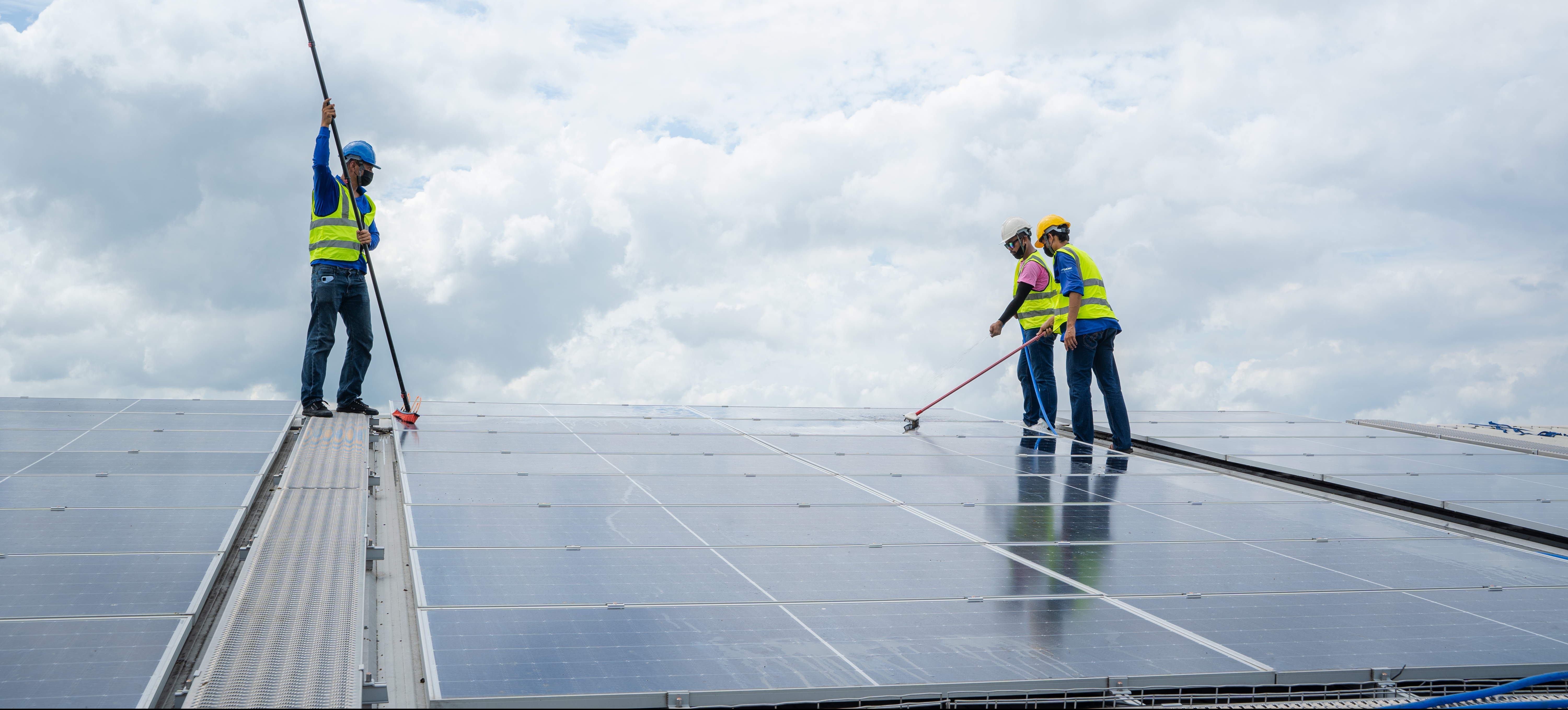
• Keep panels clean and free from debris
• Trim any overhanging branches that may cast shadows
• Monitor system performance to ensure it’s operating correctly
• Consider battery storage to store excess energy generated during the day
A Practical Example
Imagine a household that generates 30 kWh per day in summer. During winter, this might drop to around 18–22 kWh depending on weather conditions. While this is a decrease, it still covers a significant portion of daily energy use and reduces reliance on the grid.
The Bottom Line
Solar panels absolutely work in winter. While production levels are lower due to shorter days and less direct sunlight, systems continue to generate valuable energy and savings. With proper maintenance and realistic expectations, solar remains a smart, year-round investment.
For homeowners and businesses alike, winter is not a reason to doubt solar—it’s simply a reminder of how your system adapts to seasonal changes.
If your solar bills have crept up or your monitoring app shows a bigger‑than‑expected winter drop, it may be time for a professional clean and system check. Book an EziCleen Solar Care & Maintenance service to restore clarity, check performance, and ensure your system is ready to deliver maximum value all year round. PH 1300 146 136